Nassarius Snail
Nassarius Snail – Nassarius sp.
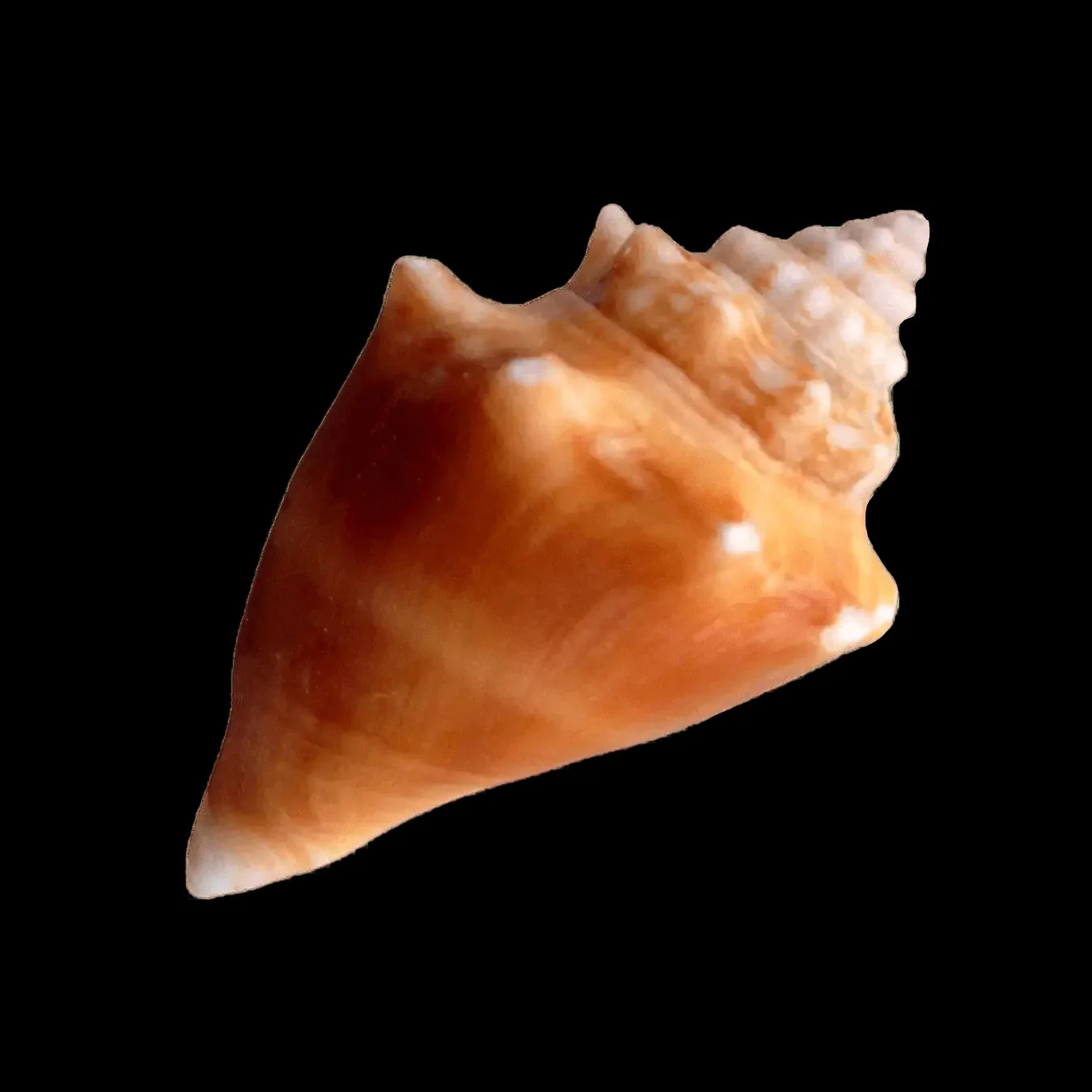
The Nassarius Snail is a small, energetic saltwater aquarium scavenger valued for its rapid feeding response and natural sand-burrowing behavior. Its patterned cream, brown, and gray shell blends easily into the substrate, while a long siphon extends above the sand like a periscope. As soon as food is detected, the snail emerges and quickly moves across the aquarium floor.
Nassarius sp. occurs throughout the Western Atlantic, including the Gulf of Mexico and Caribbean region, where it inhabits shallow sandy and muddy environments.
An excellent addition to a reef aquarium or peaceful fish-only aquarium with sand, this snail helps consume uneaten meaty foods before they accumulate. Its burrowing also gently disturbs the upper surface of the sandbed. Unlike many cleanup crew snails, however, it is a carnivorous scavenger rather than an algae grazer.
Quick Care Guide
Care Level: Easy
Minimum Tank Size: 5 gallons
Temperament: Peaceful
Diet: Carnivorous Scavenger
Reef Safe: Yes
Region: Western Atlantic, Gulf of Mexico and Caribbean
Scientific Name: Nassarius sp.
Tank Requirements
Provide an established marine aquarium with an open area of fine- to medium-grain sand. A substrate approximately 1–2 inches deep gives the snail room to bury itself while keeping its siphon near the surface. Very coarse crushed coral or sharp gravel may interfere with natural burrowing.
Live rock can be included for biological filtration and additional shelter, but accessible sandbed space is particularly important. Moderate, well-distributed water movement is appropriate as long as the substrate is not constantly displaced.
Nassarius Snails may be kept individually or in groups, provided enough food reaches the bottom of the aquarium. Because they spend much of their time beneath the substrate, healthy specimens may remain unseen until feeding begins. Their activity helps stir the sand’s upper layer but does not replace normal aquarium maintenance.
Diet and Feeding
The Nassarius Snail feeds primarily on carrion, uneaten fish food, and other protein-rich organic material. It does not normally consume film algae, hair algae, cyanobacteria, or other common nuisance algae and should not be purchased as an algae-control snail.
In a regularly fed marine aquarium, it will scavenge pieces of mysis shrimp, enriched brine shrimp, chopped clam, shrimp, fish, frozen carnivore blends, and sinking marine pellets that reach the substrate. Its sensitive siphon allows it to detect food quickly, producing a distinctive emergence from beneath the sand.
Supplemental feeding may be required in lightly stocked or exceptionally clean aquariums. Offer a very small portion of sinking meaty food once or twice per week when little food naturally reaches the sandbed. Avoid keeping more scavenging snails than the aquarium can support.
Temperament and Tankmates
This peaceful snail can be maintained with corals, clams, ornamental shrimp, other reef-safe snails, and non-predatory marine fish. Multiple specimens generally coexist without territorial behavior.
Avoid puffers, triggerfish, larger predatory wrasses, and other fish known to consume snails. Aggressive crabs and some hermit crabs may also attack it, particularly when empty replacement shells are unavailable.
Nassarius Snails may gather around a dead or severely weakened aquarium inhabitant. This is normal scavenging behavior and does not usually mean they attacked a healthy animal.
Reef Compatibility
The Nassarius Snail is considered reef safe. Properly identified specimens do not normally damage healthy corals, anemones, clams, ornamental shrimp, crabs, or fish.
Its movement beneath the substrate can help keep the sand surface gently disturbed. Small coral fragments and unsecured frags placed directly on the sand should be mounted securely, as an active snail may accidentally shift them while emerging or searching for food.
Water Parameters
Temperature: 75–80°F
Specific Gravity: 1.024–1.026
pH: 8.1–8.4
Alkalinity: 8–12 dKH
Maintain consistent salinity and introduce the snail gradually to different water conditions. Marine snails are sensitive to copper-based medications, and copper-treated water should never be introduced into an aquarium containing them. Stable conditions are more important than repeatedly adjusting the system to reach one exact value.
Common Considerations
-
Not an algae eater: This species scavenges meaty foods rather than grazing nuisance algae.
-
Provide a sandbed: Fine- to medium-grain sand supports its natural burrowing behavior.
-
Do not overstock: Too many scavengers may compete for limited food and gradually lose body condition.
-
Avoid copper exposure: Copper-based medications can be highly toxic to marine snails.
-
Protect it from predators: Puffers, triggers, predatory wrasses, aggressive crabs, and some hermit crabs may consume it.
Nassarius Snail – Nassarius sp.
The Nassarius Snail is a small, energetic saltwater aquarium scavenger valued for its rapid feeding response and natural sand-burrowing behavior. Its patterned cream, brown, and gray shell blends easily into the substrate, while a long siphon extends above the sand like a periscope. As soon as food is detected, the snail emerges and quickly moves across the aquarium floor.
Nassarius sp. occurs throughout the Western Atlantic, including the Gulf of Mexico and Caribbean region, where it inhabits shallow sandy and muddy environments.
An excellent addition to a reef aquarium or peaceful fish-only aquarium with sand, this snail helps consume uneaten meaty foods before they accumulate. Its burrowing also gently disturbs the upper surface of the sandbed. Unlike many cleanup crew snails, however, it is a carnivorous scavenger rather than an algae grazer.
Quick Care Guide
Care Level: Easy
Minimum Tank Size: 5 gallons
Temperament: Peaceful
Diet: Carnivorous Scavenger
Reef Safe: Yes
Region: Western Atlantic, Gulf of Mexico and Caribbean
Scientific Name: Nassarius sp.
Tank Requirements
Provide an established marine aquarium with an open area of fine- to medium-grain sand. A substrate approximately 1–2 inches deep gives the snail room to bury itself while keeping its siphon near the surface. Very coarse crushed coral or sharp gravel may interfere with natural burrowing.
Live rock can be included for biological filtration and additional shelter, but accessible sandbed space is particularly important. Moderate, well-distributed water movement is appropriate as long as the substrate is not constantly displaced.
Nassarius Snails may be kept individually or in groups, provided enough food reaches the bottom of the aquarium. Because they spend much of their time beneath the substrate, healthy specimens may remain unseen until feeding begins. Their activity helps stir the sand’s upper layer but does not replace normal aquarium maintenance.
Diet and Feeding
The Nassarius Snail feeds primarily on carrion, uneaten fish food, and other protein-rich organic material. It does not normally consume film algae, hair algae, cyanobacteria, or other common nuisance algae and should not be purchased as an algae-control snail.
In a regularly fed marine aquarium, it will scavenge pieces of mysis shrimp, enriched brine shrimp, chopped clam, shrimp, fish, frozen carnivore blends, and sinking marine pellets that reach the substrate. Its sensitive siphon allows it to detect food quickly, producing a distinctive emergence from beneath the sand.
Supplemental feeding may be required in lightly stocked or exceptionally clean aquariums. Offer a very small portion of sinking meaty food once or twice per week when little food naturally reaches the sandbed. Avoid keeping more scavenging snails than the aquarium can support.
Temperament and Tankmates
This peaceful snail can be maintained with corals, clams, ornamental shrimp, other reef-safe snails, and non-predatory marine fish. Multiple specimens generally coexist without territorial behavior.
Avoid puffers, triggerfish, larger predatory wrasses, and other fish known to consume snails. Aggressive crabs and some hermit crabs may also attack it, particularly when empty replacement shells are unavailable.
Nassarius Snails may gather around a dead or severely weakened aquarium inhabitant. This is normal scavenging behavior and does not usually mean they attacked a healthy animal.
Reef Compatibility
The Nassarius Snail is considered reef safe. Properly identified specimens do not normally damage healthy corals, anemones, clams, ornamental shrimp, crabs, or fish.
Its movement beneath the substrate can help keep the sand surface gently disturbed. Small coral fragments and unsecured frags placed directly on the sand should be mounted securely, as an active snail may accidentally shift them while emerging or searching for food.
Water Parameters
Temperature: 75–80°F
Specific Gravity: 1.024–1.026
pH: 8.1–8.4
Alkalinity: 8–12 dKH
Maintain consistent salinity and introduce the snail gradually to different water conditions. Marine snails are sensitive to copper-based medications, and copper-treated water should never be introduced into an aquarium containing them. Stable conditions are more important than repeatedly adjusting the system to reach one exact value.
Common Considerations
-
Not an algae eater: This species scavenges meaty foods rather than grazing nuisance algae.
-
Provide a sandbed: Fine- to medium-grain sand supports its natural burrowing behavior.
-
Do not overstock: Too many scavengers may compete for limited food and gradually lose body condition.
-
Avoid copper exposure: Copper-based medications can be highly toxic to marine snails.
-
Protect it from predators: Puffers, triggers, predatory wrasses, aggressive crabs, and some hermit crabs may consume it.
Original: $3.99
-65%$3.99
$1.40Description
Nassarius Snail – Nassarius sp.
The Nassarius Snail is a small, energetic saltwater aquarium scavenger valued for its rapid feeding response and natural sand-burrowing behavior. Its patterned cream, brown, and gray shell blends easily into the substrate, while a long siphon extends above the sand like a periscope. As soon as food is detected, the snail emerges and quickly moves across the aquarium floor.
Nassarius sp. occurs throughout the Western Atlantic, including the Gulf of Mexico and Caribbean region, where it inhabits shallow sandy and muddy environments.
An excellent addition to a reef aquarium or peaceful fish-only aquarium with sand, this snail helps consume uneaten meaty foods before they accumulate. Its burrowing also gently disturbs the upper surface of the sandbed. Unlike many cleanup crew snails, however, it is a carnivorous scavenger rather than an algae grazer.
Quick Care Guide
Care Level: Easy
Minimum Tank Size: 5 gallons
Temperament: Peaceful
Diet: Carnivorous Scavenger
Reef Safe: Yes
Region: Western Atlantic, Gulf of Mexico and Caribbean
Scientific Name: Nassarius sp.
Tank Requirements
Provide an established marine aquarium with an open area of fine- to medium-grain sand. A substrate approximately 1–2 inches deep gives the snail room to bury itself while keeping its siphon near the surface. Very coarse crushed coral or sharp gravel may interfere with natural burrowing.
Live rock can be included for biological filtration and additional shelter, but accessible sandbed space is particularly important. Moderate, well-distributed water movement is appropriate as long as the substrate is not constantly displaced.
Nassarius Snails may be kept individually or in groups, provided enough food reaches the bottom of the aquarium. Because they spend much of their time beneath the substrate, healthy specimens may remain unseen until feeding begins. Their activity helps stir the sand’s upper layer but does not replace normal aquarium maintenance.
Diet and Feeding
The Nassarius Snail feeds primarily on carrion, uneaten fish food, and other protein-rich organic material. It does not normally consume film algae, hair algae, cyanobacteria, or other common nuisance algae and should not be purchased as an algae-control snail.
In a regularly fed marine aquarium, it will scavenge pieces of mysis shrimp, enriched brine shrimp, chopped clam, shrimp, fish, frozen carnivore blends, and sinking marine pellets that reach the substrate. Its sensitive siphon allows it to detect food quickly, producing a distinctive emergence from beneath the sand.
Supplemental feeding may be required in lightly stocked or exceptionally clean aquariums. Offer a very small portion of sinking meaty food once or twice per week when little food naturally reaches the sandbed. Avoid keeping more scavenging snails than the aquarium can support.
Temperament and Tankmates
This peaceful snail can be maintained with corals, clams, ornamental shrimp, other reef-safe snails, and non-predatory marine fish. Multiple specimens generally coexist without territorial behavior.
Avoid puffers, triggerfish, larger predatory wrasses, and other fish known to consume snails. Aggressive crabs and some hermit crabs may also attack it, particularly when empty replacement shells are unavailable.
Nassarius Snails may gather around a dead or severely weakened aquarium inhabitant. This is normal scavenging behavior and does not usually mean they attacked a healthy animal.
Reef Compatibility
The Nassarius Snail is considered reef safe. Properly identified specimens do not normally damage healthy corals, anemones, clams, ornamental shrimp, crabs, or fish.
Its movement beneath the substrate can help keep the sand surface gently disturbed. Small coral fragments and unsecured frags placed directly on the sand should be mounted securely, as an active snail may accidentally shift them while emerging or searching for food.
Water Parameters
Temperature: 75–80°F
Specific Gravity: 1.024–1.026
pH: 8.1–8.4
Alkalinity: 8–12 dKH
Maintain consistent salinity and introduce the snail gradually to different water conditions. Marine snails are sensitive to copper-based medications, and copper-treated water should never be introduced into an aquarium containing them. Stable conditions are more important than repeatedly adjusting the system to reach one exact value.
Common Considerations
-
Not an algae eater: This species scavenges meaty foods rather than grazing nuisance algae.
-
Provide a sandbed: Fine- to medium-grain sand supports its natural burrowing behavior.
-
Do not overstock: Too many scavengers may compete for limited food and gradually lose body condition.
-
Avoid copper exposure: Copper-based medications can be highly toxic to marine snails.
-
Protect it from predators: Puffers, triggers, predatory wrasses, aggressive crabs, and some hermit crabs may consume it.